
The Dust of Empires
"A time traveller trapped in a classroom... trekking through the deserts of Mesopotamia and the temples of Egypt."
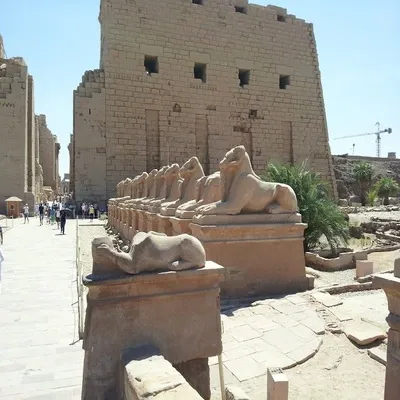
Shadows of Mesopotamia & Egypt
Sitting by single candlelight as a child, reading of ancient empires while the modern world felt like shaky ground. Standing decades later amidst the towering pillars and silent sands of Egypt, the childhood fantasy collided heavily with the physical scale of stone. Here, history is not preserved; it is weathered, persistent, and entirely unbothered by time.
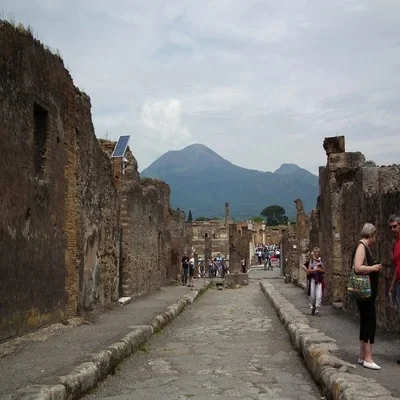
The Ash of Vesuvius: Pompeii & Herculaneum
There is a distinct, breathless quiet within the stone doorways of Herculaneum and the sweeping, rutted streets of Pompeii. The ancient immolation stopped ordinary life mid-stride—leaving quiet kitchens, charred storefronts, and carbonized thresholds permanently exposed. It is a striking visual reminder of the tension between everyday routines and the unexpected crashes of reality.
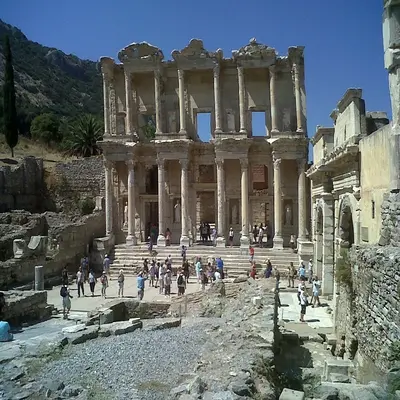
The Echoing Marble of Ephesus
Walking down the polished marble pathways toward the monumental, standing facade of the Celsus Library. Ephesus presents a landscape where performance, power, and high architecture were deliberately staged. It is a space designed for public oratory, showing how ancient builders crafted physical significance into stone back when the world was vast and disconnected.
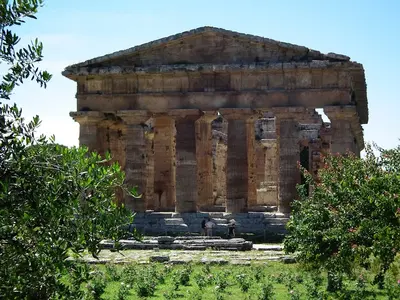
The Timeless Pillars of Paestum
Set against wild meadows and the distant Italian horizon, the three massive, remarkably intact Greek temples of Paestum feel separate from the noise of tourist footprints. The massive Doric columns hold a heavy, solemn intensity. It is a raw, pure distillation of rhythm, structure, and balance—a physical guide for how an author should choose and edit every sentence on a page.